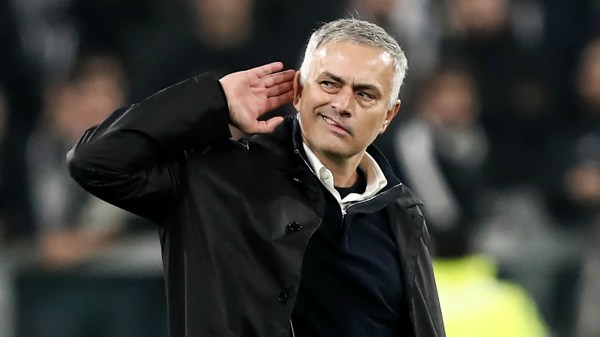
Jose Mourinho has won trophies at every team he has managed. This includes two champions leagues and eight league titles in four different countries. However, just before the season was stopped Mourinho was being widely criticised by pundits. Tony Cascarino judged his philosophy to be “outdated and irrelevant” and Rio Ferdinand slammed his man management after Tottenham’s champions league exit, claiming “confidence hasn’t been forthcoming from Jose”.
The fact that Mourinho was a surprising choice by Spurs and replaced a manager who transformed them into a strong competitor in both the Premier league and the Champions League increases the challenge. However, Mourinho I believe can be successful at Tottenham (as much as I hate to say it as a Chelsea fan) despite being a less obvious fit than Pochettino. Here’s why:
He is a trophy winner
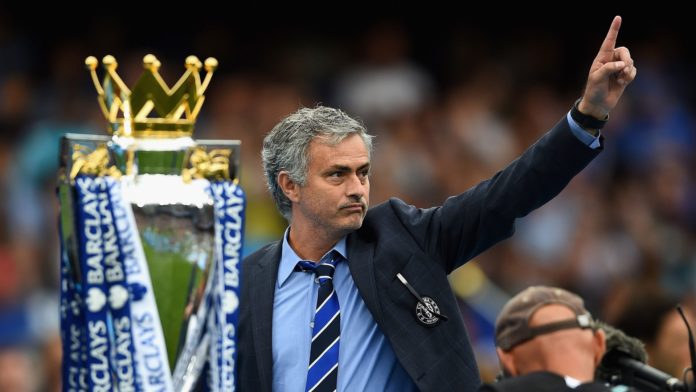
The first point is that he ultimately wins trophies and this is where Spurs are certainly lacking. Spurs have only won the league cup in 2008 since the start of the 21stcentury. Yes, he got heavily criticised for his time at Manchester United, however he has been their most successful manager since Sir Alex Ferguson. They won the Europa League, Community Shield and EFL cup in his first season. In his second season he came second to Manchester City (who achieved 100 points) and described it as the “greatest achievement of his career”. Those that have dismissed this quote as an exaggeration should note Manchester United have not won a trophy since and are currently set for another season outside of the top four.
He has improved Spurs at a difficult time
Furthermore, Spurs performances have improved since Mourinho has taken charge. Without Mourinho Spurs had 14 points from 12 games, whereas with Mourinho they have achieved 27 points from 17 games and are still in contention for Champions league football. They have had a recent shocking run of form with no wins in 6 games and were knocked out of the Champions league to RB Leipzig and the FA Cup to Norwich City. However, I don’t believe this has been his fault – the combination of both Kane and Son being injured and Eriksen leaving for Inter Milan in January represented huge losses of personnel and quality to the team.
He knows he must adapt
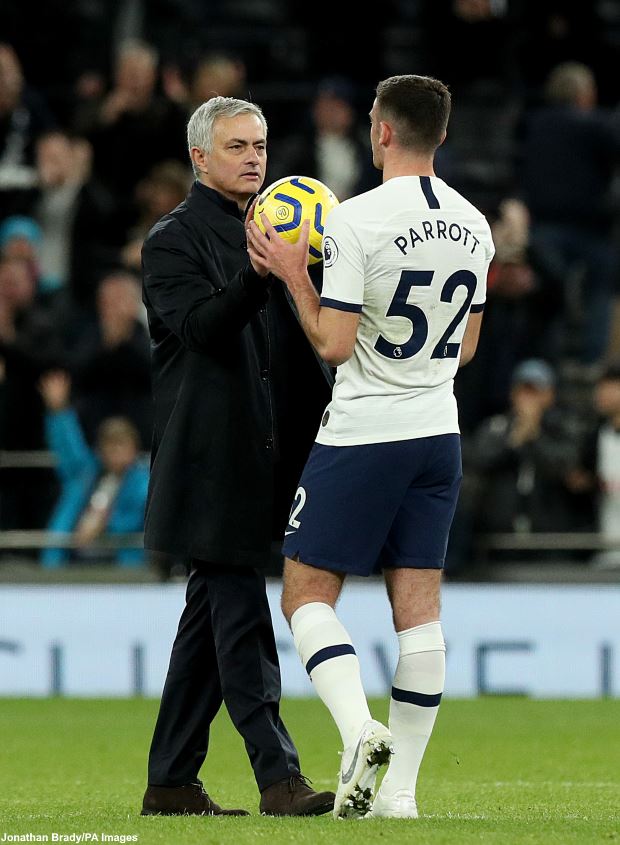
One big criticism Mourinho receives is his lack of faith in youth and the way he treats his players. Although, in January he signed Gedson Fernandes (21) and Steven Bergwijn (22), two talented young prospects. He also introduced Japhet Tanganga to the starting team who has became a revelation since this and Troy Parrot, Ryan Sessegnon and Oliver Skipp have also featured under Mourinho. Additionally, he has had a positive relationship with the players, Tanganga described him as “the best manager in the world”. Probably aware of past criticism Mourinho has heaped praise on almost all of his players.
He has had an opportunity to prepare for the Premier League restart
Lastly, he has been provided with an opportunity to prepare for the restart which he wasn’t able to do when taking over from Pochettino at a time which was congested with fixtures. It will also allow injured players such as Kane to come back to full fitness, which should reverse the recent poor run of form. In his time in lockdown he has being living with a number of his coaching staff to allow for stronger communication and analysis during the break. He clearly has the commitment and drive to succeed at Tottenham despite the doubters and I believe that this break will give him and his coaching staff the clarity for how to approach the remaining games.
Nothing is certain in football, but Spurs fans should remain patient and optimistic in Mourinho because he is a proven winner and is showing his committed to the club. Next season it is likely we could be seeing vintage Mourinho, with Spurs finishing in the top four and winning their first trophy in over a decade.

 Over The Line